

Harnessing the Power of AI: Transforming Predictive Project Management
Harnessing the Power of AI: Transforming Predictive Project Management In an era where data reigns supreme, Artificial Intelligence (AI) emerges as a transformative force in predictive project management. Imagine a world where project managers no longer rely solely on gut feelings or historical precedents but leverage sophisticated algorithms to forecast potential challenges and outcomes with astounding accuracy. By analyzing vast datasets—from resource availability to market trends—AI can identify patterns and provide actionable insights that were previously hidden from view. Consider the capabilities of machine learning models that adapt over time, continuously refining their predictions based on real-time inputs. These systems can predict budget overruns or timeline slippage before they escalate into crises, allowing teams to pivot proactively rather than reactively. Moreover, natural language processing tools enable stakeholders to extract valuable information from unstructured data sources like emails and meeting notes, enhancing communication efficiency across diverse teams. As organizations embrace this technological renaissance, collaboration between human intuition and AI’s analytical prowess leads not only to improved decision-making but also fosters innovation by freeing up creative energy for strategic thinking rather than mundane tasks. The future beckons with possibilities…
Book NowPredictive Project Management: How AI is Shaping the Future of Projects
In the evolving landscape of project management, predictive analytics powered by artificial intelligence is revolutionizing how teams plan, execute, and adapt their strategies. Imagine a world where project managers can foresee potential roadblocks before they emerge—AI algorithms analyze historical data to identify patterns and trends, providing actionable insights that empower leaders to make informed decisions. From resource allocation to timeline adjustments, AI tools are capable of simulating various scenarios based on real-time data inputs. This means that if a sudden change in client requirements occurs or there’s an unexpected delay from a vendor, project teams can quickly pivot with minimal disruption. Moreover, machine learning models improve over time as they learn from each project’s outcomes; this continuous feedback loop enhances accuracy in predictions. Collaboration also takes on new dimensions when AI is at play. Smart software can facilitate communication among team members by proactively notifying them about deadlines or task dependencies that need attention. With AI acting as both a guide and an assistant in project management workflows, organizations are not just managing projects—they’re mastering the art of foresight in an increasingly complex environment.

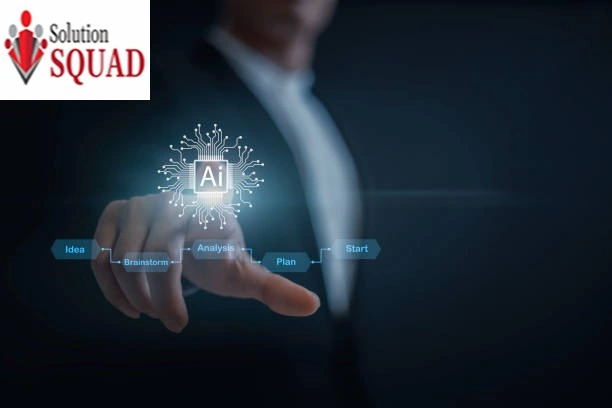
The Intersection of AI and Predictive Analytics in Project Management Success
In the dynamic world of project management, the fusion of AI and predictive analytics is transforming how teams operate. Imagine a virtual assistant that not only tracks milestones but also analyzes historical data to forecast potential roadblocks before they escalate. By leveraging machine learning algorithms, AI can identify patterns within vast datasets—unearthing insights about resource allocation, team performance, and risk factors that previously might have gone unnoticed. Consider a scenario where an AI system evaluates past projects with similar parameters; it could suggest optimal timelines or highlight specific tasks likely to encounter delays based on previous outcomes. This forward-thinking approach empowers project managers to make informed decisions backed by data rather than intuition alone. Moreover, real-time analysis allows for agile adjustments as projects unfold—ensuring that changes in scope or unexpected challenges are met with swift countermeasures rather than reactive scrambling. As organizations strive for efficiency and success in their initiatives, embracing this intersection between artificial intelligence and predictive analytics marks a pivotal step towards achieving higher levels of precision and foresight in project execution…
From Data to Decisions: The Impact of AI on Predictive Project Management Techniques
As we navigate the complexities of modern project management, artificial intelligence emerges as a transformative ally, turning raw data into actionable insights. The heart of this evolution lies in predictive analytics—a powerful tool that leverages machine learning algorithms to analyze historical project data and forecast future outcomes. By identifying patterns and trends within vast datasets, AI enables project managers to anticipate potential roadblocks before they materialize. Imagine a construction team equipped with an AI-driven platform that not only tracks progress but predicts delays based on weather patterns or resource availability. This foresight allows for proactive adjustments rather than reactive measures, streamlining workflows and enhancing efficiency. Furthermore, AI’s ability to continuously learn from ongoing projects means its predictions become increasingly accurate over time, adapting to new variables as they arise. In sectors like software development or healthcare, where timelines can be notoriously unpredictable, these capabilities are invaluable. They empower teams to make informed decisions grounded in empirical evidence rather than guesswork—transforming uncertainty into strategic advantage. As organizations embrace these innovative techniques, we find ourselves at the cusp of a new era where decision-making is not just enhanced by technology but revolutionized through it…


AI-Driven Insights: Enhancing Accuracy in Predictive Project Management
In the fast-evolving landscape of project management, AI-driven insights are revolutionizing how teams forecast outcomes and navigate uncertainties. By harnessing vast datasets, machine learning algorithms can identify patterns that human analysts might overlook—transforming historical data into precise predictions about future project performance. Imagine a project manager equipped with real-time analytics that not only predicts potential delays but also suggests actionable adjustments to keep timelines on track. These sophisticated models continuously learn from new inputs, refining their accuracy over time. For instance, sentiment analysis of team communications might reveal underlying issues before they escalate, while predictive maintenance powered by IoT sensors can anticipate equipment failures long before they disrupt workflows. This proactive approach enables teams to allocate resources more efficiently and mitigate risks effectively. Moreover, AI doesn’t just focus on numbers; it integrates qualitative factors such as team morale and stakeholder engagement into its analyses. As these insights become increasingly nuanced, project managers find themselves empowered with a comprehensive understanding of their projects’ trajectories—leading not just to improved outcomes but fostering an environment where adaptability and foresight reign supreme in decision-making processes.
Future-Proofing Your Projects: The Essential Role of AI in Predictive Management
As we move deeper into the digital age, project management is increasingly shaped by the capabilities of artificial intelligence. Future-proofing your projects requires a proactive approach to understanding how AI can be harnessed in predictive management. Imagine algorithms that analyze historical data and identify patterns, allowing teams to foresee potential roadblocks before they manifest. This foresight not only streamlines workflows but also enhances decision-making processes. AI-driven tools empower project managers with real-time insights, adjusting forecasts based on dynamic variables such as team performance and market trends. These systems don’t just react; they learn, becoming more effective over time at predicting outcomes and optimizing resource allocation. By leveraging machine learning models, organizations can simulate various scenarios—testing “what if” situations that help refine strategies preemptively. Moreover, the integration of natural language processing enables smoother communication across diverse teams by translating complex data sets into actionable insights accessible to all stakeholders. As we embrace these innovations in predictive management, it becomes clear: AI is not merely an enhancement but a cornerstone for crafting resilient projects capable of thriving amidst uncertainty and rapid change…

FAQ
Conclusion
As we have explored, AI technology has the potential to revolutionize the field of project management by providing accurate predictions and data-driven insights. By leveraging AI tools and techniques, project managers can make more informed decisions, optimize resources, and improve overall project outcomes. While there are challenges to implementing AI in a predictive project management approach, it is clear that this technology will continue to play a significant role in shaping the future of project management. With further advancements and integration into existing systems, AI has the potential to transform how projects are planned and executed for greater efficiency and success.