

Step-by-Step Guide to Developing a Comprehensive Business Impact Analysis (BIA)
### Step-by-Step Guide to Developing a Comprehensive Business Impact Analysis (BIA) Embarking on a Business Impact Analysis (BIA) requires methodical steps that weave together insight, collaboration, and foresight. Begin by assembling a cross-functional team; this diverse group will ensure varied perspectives are considered. Next, identify critical business functions—those essential for your organization’s survival during disruptions. Conduct interviews with key stakeholders to gather qualitative data about potential impacts on these functions. Use surveys or workshops to quantify the effects of various scenarios, such as cyberattacks or natural disasters. This phase is crucial; understanding the ripple effect can illuminate vulnerabilities often overlooked. Once you have compiled your data, prioritize business processes based on criteria like recovery time objectives and resource dependencies. Develop impact categories ranging from financial loss to reputational damage—this holistic view will enhance decision-making later on. Finally, document your findings meticulously in a structured format that allows for easy updates and revisions as conditions change. Remember, BIA isn’t just about creating a static report—it’s an evolving roadmap guiding organizations through uncertainties while fostering resilience in every corner of the business landscape.
Book NowThe Essential Components of an Effective Business Impact Analysis: What You Need to Know
When embarking on a Business Impact Analysis (BIA), it’s crucial to understand the essential components that underpin its effectiveness. First, identifying critical business functions is paramount; these are the processes that your organization cannot afford to disrupt. This should be followed by assessing potential risks and threats—everything from natural disasters to cyber attacks—that could impact these essential operations. Next, you need to evaluate the dependencies within your organization. Mapping out resources such as personnel, technology, and information systems highlights how interlinked your various functions are. This interconnectivity can often reveal vulnerabilities in unexpected places. A comprehensive data collection strategy will also enrich your BIA. Gathering qualitative insights through interviews with key stakeholders can uncover nuances about operational impacts that numbers alone may miss. Furthermore, quantifying these impacts in terms of financial loss and reputational damage adds another layer of depth. Finally, establishing recovery time objectives (RTOs) allows organizations to prioritize their response strategies effectively—knowing which functions must be restored first during a crisis is invaluable for maintaining stability. Understanding these components empowers businesses not just to survive disruptions but thrive beyond them.

Why Every Business Needs a BIA: Understanding Its Importance and Development Process
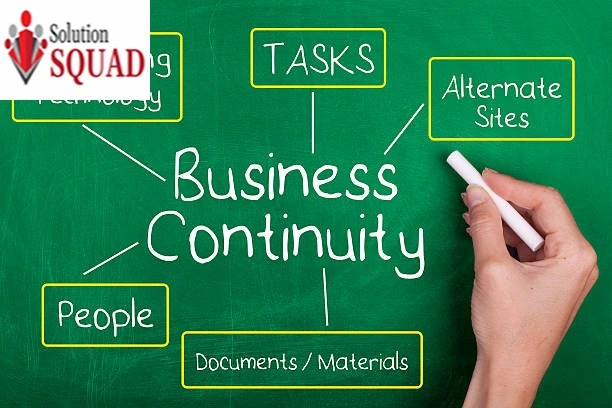
In today’s dynamic business landscape, understanding the ripple effects of disruptions is crucial. A Business Impact Analysis (BIA) serves as a compass for organizations, guiding them through potential crises by pinpointing critical functions and their interdependencies. Imagine facing an unexpected event—whether it’s a cyberattack, natural disaster, or even a pandemic—and not knowing which processes are vital to your operations. This uncertainty can lead to chaotic decision-making and significant financial losses. A well-crafted BIA uncovers these vulnerabilities, allowing businesses to prioritize recovery strategies effectively. It fosters resilience by ensuring that essential services continue uninterrupted while less critical operations can be temporarily sidelined without jeopardizing overall success. Additionally, engaging stakeholders during the development process cultivates a culture of preparedness across all levels of the organization. The journey of creating a BIA involves meticulous data gathering and analysis; it requires collaboration among teams to assess risks accurately and forecast impacts comprehensively. Through workshops and interviews with key personnel, organizations gain invaluable insights into their operational heartbeat—ensuring they’re not just reacting but proactively managing business continuity in uncertain times.
10 Common Mistakes to Avoid When Creating Your Business Impact Analysis
When crafting your Business Impact Analysis (BIA), avoiding common pitfalls can mean the difference between a robust plan and a misguided effort. First, don’t overlook stakeholder engagement; excluding key players from the process can lead to incomplete data and skewed priorities. Secondly, neglecting to identify critical functions may result in inadequate recovery strategies for essential operations. Another frequent misstep is underestimating the time required for thorough analysis—rushing through this phase often leads to oversights that haunt you later on. Additionally, failing to consider external factors like market changes or regulatory shifts could leave your BIA outdated before it’s even implemented. It’s also crucial not to confuse impact with likelihood; prioritize tasks based on potential consequences rather than just probability of occurrence. And beware of overly complex documentation—while detail is vital, clarity ensures that all stakeholders understand their roles and responsibilities. Ignoring regular updates can render your BIA obsolete as business dynamics evolve. Lastly, don’t forget about communication: if findings aren’t shared effectively across the organization, even the most comprehensive BIA will gather dust instead of driving actionable insights…


How to Use Data-Driven Insights for a More Accurate Business Impact Analysis
Harnessing data-driven insights is essential for refining your Business Impact Analysis (BIA). Start by gathering quantitative metrics from historical performance to identify patterns and trends. For instance, evaluate past incidents to assess their effects on revenue, customer satisfaction, and operational efficiency. Utilize predictive analytics tools to simulate various scenarios; this allows you to foresee potential disruptions and their financial implications. Incorporate qualitative data as well—gather employee feedback through surveys or focus groups. These insights can reveal vulnerabilities that numbers alone might miss but are crucial for understanding the human element of business processes. Further enhance your analysis by benchmarking against industry standards and competitors’ performances. Such comparisons will provide context, revealing not only how your organization fares but also highlighting areas ripe for improvement. Lastly, visualize the data using dashboards or infographics to communicate findings effectively across teams. This clarity ensures stakeholders understand the risks at hand while fostering a culture of informed decision-making based on concrete evidence rather than intuition alone. By weaving together these varied strands of insight—both hard data and personal narratives—you create a comprehensive picture that lays a strong foundation for impactful strategic planning moving forward.
From Risk Assessment to Recovery Plans: Developing a Robust Business Impact Analysis
When embarking on the journey of developing a Business Impact Analysis (BIA), it’s essential to transition seamlessly from risk assessment to crafting effective recovery plans. This phase begins with identifying critical business functions and understanding their interdependencies. By mapping out various scenarios—ranging from data breaches to natural disasters—you can gauge potential impacts on operations, finances, and reputation. Incorporating cross-departmental insights allows for richer perspectives; collaboration between IT, HR, finance, and operational teams unveils vulnerabilities that may go unnoticed in siloed assessments. Once risks are identified, prioritize them based on severity and likelihood. Next comes the creation of robust recovery plans tailored to each scenario’s unique challenges. These plans should encompass not only immediate response strategies but also longer-term resilience measures aimed at minimizing downtime and ensuring continuity. While drafting these plans, foster an agile mindset: flexibility is key as threats evolve over time. Regular drills or tabletop exercises will keep your team sharp and ensure everyone understands their roles during a crisis. Remember that BIA isn’t just about preparedness; it’s about embedding a culture of resilience within your organization…

FAQ
Conclusion
Developing a business impact analysis (BIA) is an essential step in ensuring the continuity and resilience of any organization. By identifying critical business processes, potential risks and their impacts, as well as priorities for recovery, businesses can better prepare themselves for unexpected disruptions. With careful planning and regular updates, a BIA can help mitigate financial losses and maintain customer trust during times of crisis. So don’t wait until it’s too late – start developing your BIA today to secure the future success of your business.