
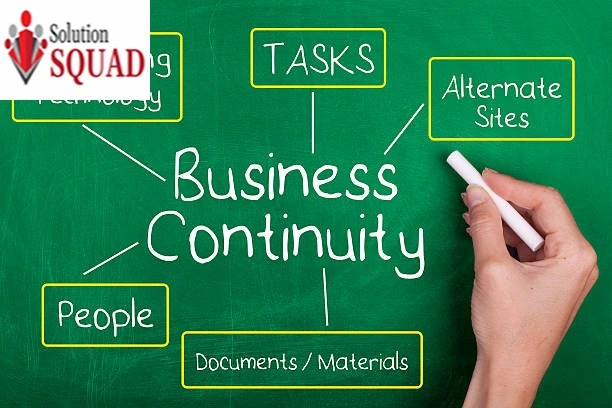
Future-Proofing Your Business: Essential Strategies for Health Crises
In an unpredictable world, future-proofing your business against health crises requires a multi-faceted approach that embraces agility and resilience. First, invest in robust digital infrastructure that allows for seamless remote operations. Cloud-based tools not only facilitate collaboration but also enhance data security and accessibility during disruptions. Cultivating a culture of health literacy among employees is equally vital. Regular training sessions on hygiene practices, mental well-being, and crisis management can empower staff to navigate challenges effectively. Encourage flexible work policies that prioritize employee safety while maintaining productivity. Diversifying supply chains should also be at the forefront of your strategy. Establish relationships with multiple suppliers to mitigate risks associated with disruptions in any single source. Additionally, consider adopting alternative delivery models or e-commerce solutions to adapt quickly to changing consumer behaviors. Lastly, foster community partnerships within your industry; shared resources and knowledge can create a support network during times of uncertainty. Embracing innovation—whether through technology or creative problem-solving—will ensure you remain one step ahead when the next challenge arises…
Book NowNavigating Uncertainty: How to Build a Resilient Business for Future Health Emergencies
In a world where uncertainty has become the new norm, building resilience is no longer merely an option—it’s a necessity. The first step in navigating potential health crises is to cultivate flexibility within your business model. This might mean diversifying your supply chain or embracing remote work technologies that allow for seamless transitions when disruptions arise. Investing in employee well-being also plays a crucial role; a healthy workforce can adapt more readily to change. Regular training and simulations can prepare teams for unexpected scenarios, ensuring they remain agile and resourceful even during stressful times. Additionally, fostering strong relationships with stakeholders—clients, partners, and suppliers—can create a support network that enhances collective resilience. Open communication channels enable businesses to pivot quickly while maintaining trust and collaboration. Finally, consider leveraging technology not just as a tool but as an ally in crisis management. Data analysis can offer insights into emerging threats before they escalate, allowing proactive rather than reactive strategies. As we venture deeper into uncertain waters, these practices will form the backbone of resilient enterprises ready to face whatever challenges lie ahead…


Preparing Your Workforce: Health Crisis Contingency Plans Every Business Should Have
In the unpredictable landscape of health crises, a proactive approach to workforce preparedness is essential. Start by establishing clear communication channels; ensure employees are informed about procedures and resources available in times of need. Create flexible work arrangements that allow for remote operations when necessary—this not only supports employee safety but also maintains productivity. Next, invest in training programs focused on health protocols and mental wellness. Equip your staff with knowledge about hygiene practices, recognizing symptoms, and the importance of vaccinations or other preventative measures relevant to your industry. Consider forming an internal crisis response team tasked with regularly reviewing contingency plans and updating them based on emerging best practices. Additionally, foster a culture of resilience by encouraging open discussions around mental health support during stressful periods. By providing access to counseling services or workshops on coping strategies, you empower your workforce to navigate challenges more effectively. Finally, think beyond immediate responses; integrate technology solutions such as telehealth options for quick medical consultations or digital platforms for regular check-ins among teams. This holistic approach not only safeguards public health but builds a robust foundation for navigating future uncertainties together.
The Importance of Flexibility: Adapting Your Business Model for Future Health Challenges
In an unpredictable world where health crises can emerge overnight, the ability to pivot is not just a luxury—it’s a necessity. Flexibility in your business model allows you to respond swiftly and effectively to unforeseen challenges, whether it’s adapting supply chains or embracing new technologies for remote operations. Just as nature thrives on diversity, businesses that cultivate versatile strategies are better equipped to navigate turbulent waters. Consider how companies have leveraged digital transformation during past pandemics; those with robust e-commerce platforms flourished while others struggled. Embracing flexibility means more than adjusting tactics; it involves fostering a culture of innovation where employees feel empowered to brainstorm solutions on the fly. This mindset encourages ongoing assessment of market needs and consumer behaviors, enabling businesses to stay ahead of shifting landscapes. As we anticipate future health challenges, integrating flexible frameworks into strategic planning becomes critical—not only for survival but for thriving in times of adversity. The question remains: how will your organization harness this adaptability?


Technology and Preparedness: Leveraging Digital Solutions to Combat Health Crises
In an era where health crises can emerge with little warning, technology offers a powerful arsenal for businesses seeking to bolster their preparedness. Digital solutions like telehealth platforms are redefining access to medical care, allowing employees to connect with healthcare professionals without the barriers of physical distance. Meanwhile, data analytics tools enable organizations to monitor health trends in real-time, providing insights that help identify potential outbreaks before they escalate. Collaboration tools ensure seamless communication within teams during emergencies; remote work applications and project management software keep workflows intact even when office doors close. Moreover, AI-driven predictive models can forecast employee absenteeism based on illness patterns or environmental factors, empowering businesses to allocate resources effectively. Mobile apps designed for wellness tracking encourage proactive health behaviors among staff while fostering a culture of well-being—essential in crisis situations. Furthermore, cloud-based systems facilitate efficient information sharing and storage on best practices for managing public health threats. By embracing these digital innovations, companies not only enhance their resilience but also position themselves as leaders in navigating the complexities of future health challenges…
From Lessons Learned to Actionable Steps: Ensuring Your Business Thrives in Times of Health Crisis
In the wake of a health crisis, businesses often find themselves at a crossroads—facing unprecedented challenges yet brimming with opportunities for growth. To navigate these turbulent waters, it’s essential to translate lessons learned into actionable steps that not only safeguard your operations but also position you for future success. Start by assessing your current response strategies; what worked well, and what fell short? Engage your team in brainstorming sessions that invite diverse perspectives on potential improvements. This collaborative approach fosters resilience and innovation. Next, invest in technology that enhances communication and remote work capabilities—this isn’t just about surviving crises but thriving in an increasingly digital world. Consider developing partnerships with local health experts to ensure you’re equipped with real-time information as situations evolve. Additionally, create a dynamic business continuity plan that is flexible enough to adapt to various scenarios without losing sight of your core mission. Training employees on mental health support can bolster morale during uncertain times while reinforcing company culture. As you implement these steps, pay attention to customer feedback; their insights are invaluable as you refine your approach and adapt services or products accordingly…

FAQ
Conclusion
In today’s unpredictable world, it is crucial for businesses to be prepared for future health crises. By following these steps, you can ensure that your business will be better equipped to handle any potential challenges and continue operating successfully. Be proactive in creating a plan, communicating with employees and customers, prioritizing employee well-being, and staying informed on the latest developments. With careful preparation and flexibility, your business can weather any storm that comes its way. Remember: prevention is always better than cure when it comes to protecting your business during uncertain times.